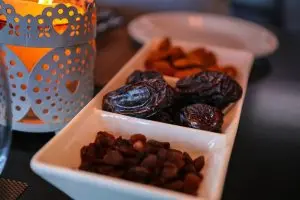
Crafting Unforgettable Kurma Experiences
In the bustling landscape of retail, a kedai kurma (dates fruit shops) is more than just a point of sale; it is a sanctuary for the senses. While the quality of the dates themselves—the succulent Medjool, the rich Ajwa, the versatile Deglet Noor—is the undeniable cornerstone of the business, it is no longer the sole differentiator. Today’s consumer seeks an experience. They are drawn to places that offer not just a product, but a feeling, a memory, a moment of connection. For suppliers providing to these retailers, understanding this evolution is key. The question then becomes: beyond the incredible variety of dates, what specific in-store experience should a truly exceptional kurma shop offer to cultivate unwavering customer loyalty and ensure they return again and again?
The transformation from a simple shop to a destination requires intentionality. It is a careful curation of atmosphere, service, knowledge, and community. It is about engaging the customer on multiple levels, turning a routine purchase into a cherished ritual. For the suppliers who equip and inspire these retailers, your role is pivotal. The products you provide are the stars of the show, but the stage must be set perfectly for them to shine. This guide explores the essential elements that create an unforgettable kurma shopping experience.
1. The Symphony of the Senses: Ambient Atmosphere and Design
Before a customer even touches a date, the environment speaks to them. An exceptional kurma shop understands the power of first impressions and curates an atmosphere that is both inviting and authentic. This goes beyond simple cleanliness. Think of it as designing a sensory journey. The visual aesthetic should be warm and elegant, perhaps using natural materials like wood and woven baskets that evoke a sense of tradition and earthiness. Lighting is crucial; soft, warm lighting can make the dates gleam, making them look more appetizing than harsh fluorescent lights ever could.
The auditory landscape is equally important. Is the shop filled with the stressful noise of the street or a disorganized cacophony of sounds? Or is there a subtle, calming background—perhaps gentle traditional music or even the soft sounds of nature—that allows customers to browse at their own pace, encouraging them to linger? Even the sense of smell plays a role. The subtle, sweet aroma of dates is a powerful attractant. A shop should smell naturally of its product, not of overpowering air fresheners or cleaning chemicals that mask the natural fragrance. By harmonizing sight, sound, and smell, a kurma store creates a welcoming oasis that feels like an escape from the ordinary.
2. The Art of Gracious Hospitality: Personalized Customer Service
In an age of automated checkouts and online shopping, human connection is a premium commodity. The most powerful tool in any retail establishment is its staff. In a remarkable kurma store, employees are not just cashiers or stockers; they are ambassadors, guides, and hosts. They offer a personalized touch that makes each customer feel seen and valued. This service begins with a genuine, welcoming greeting as someone enters the space and continues with a policy of attentive but not intrusive assistance.
The staff should be empowered with deep knowledge, able to answer questions not just about prices, but about origins, flavors, textures, and even suggested pairings. Can they recommend a sweeter date for a specific recipe or a drier variety for a health-conscious customer? This level of engagement transforms the transaction into a conversation. It builds trust. Furthermore, small gestures of hospitality can leave a lasting impression. Offering a sample of a new arrival or a cup of complementary Arabian coffee to enjoy while browsing is a timeless act of generosity that makes customers feel more like honored guests than mere shoppers. This personal touch is something that cannot be replicated online and is a primary reason for customers to return.
3. The Stage for the Stars: Innovative and Hygienic Product Display
The dates are the heroes of the store, and they deserve a display that highlights their natural beauty and quality. Open-bin displays, where customers can see and select dates in bulk, are a classic for a reason—they create an abundance and allow for visual and tactile inspection. However, exceptional kurma shops take this a step further with impeccable hygiene and clear labeling. Using sleek, clean sneeze guards and providing disposable gloves shows a commitment to customer health and safety, which is paramount.
Beyond the bulk section, creating smaller, thematic displays can tell a story and drive sales. A beautifully arranged basket of dates next to nuts and cheeses suggests a perfect pairing for a cheeseboard. A display near the checkout featuring premium gift boxes wrapped in elegant packaging caters to those looking for a present. Using tiered stands, attractive bowls, and excellent lighting to showcase the different varieties, their glossy skins and sticky textures, makes the entire section visually irresistible. It encourages exploration and impulse purchases, as customers are tempted to try a new type they might not have noticed in a pre-packaged box.
4. The Library of Knowledge: Educational Engagement and Storytelling
Modern consumers, especially those interested in natural and wholesome foods, crave knowledge. They want to know the story behind what they are eating. An exceptional kurma store acts as a community hub for this knowledge, educating its customers and deepening their appreciation. This can be achieved through beautifully designed signage that goes beyond the price tag. Informative cards can detail the origin of a specific date variety, its harvesting process, its nutritional benefits, and its traditional uses.
For the truly dedicated retailer, hosting small, in-store events can solidify their status as an authority. Imagine a weekly or monthly “Date Night” where customers can enjoy a tasting of three different varieties, learning about their unique profiles and how to incorporate them into cooking. Workshops on making date syrup, energy balls, or traditional desserts can create a lively, engaged community around the product. This approach positions the kurma shop not as a mere vendor, but as a trusted source of inspiration and education, giving customers a reason to visit beyond their immediate shopping needs.
5. The Circle of Community: Building Local Connections and Loyalty
Loyalty is a two-way street. Customers return to businesses that make them feel valued and connected. A forward-thinking kurma store fosters a sense of community by actively engaging with its local customer base. A well-designed loyalty program that offers tangible rewards, not just generic points, shows appreciation for repeat business. This could be a free box of dates after a certain number of purchases or a special discount for regular customers.
Furthermore, integrating with the local community is key. This could involve supplying dates for local events, collaborating with nearby cafes or bakeries, or sponsoring a community iftar during Ramadan. Actively engaging on social media platforms not just to promote products, but to share recipes, celebrate customer stories, and announce in-store events, keeps the shop at the top of customers’ minds. By weaving itself into the social and cultural fabric of the neighborhood, the kurma shop becomes a cherished local institution, and its customers become its most passionate advocates.
In conclusion, the journey from a good kurma shop to an exceptional one is paved with intention. It requires moving beyond the transactional to embrace the experiential. By masterfully curating a multi-sensory atmosphere, delivering personalized and knowledgeable hospitality, designing innovative and hygienic displays, engaging in customer education, and fostering a genuine sense of community, a retailer can create a destination. They build not just a customer base, but a loyal community that returns not only for the unparalleled quality of the dates but for the unforgettable experience that surrounds them. For suppliers, supporting your retail partners in achieving this vision is the ultimate partnership, ensuring the timeless fruit you provide is celebrated in a setting worthy of its heritage.