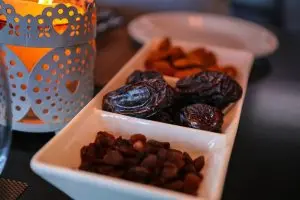
Borong Kurma: Supply Chains for Dates
Borong kurmahas become more than just a commercial activity; it is now a responsibility. Wholesalers who deal in dates are not only managing volumes and prices but also shaping the future of food systems. As global demand for premium varieties like kurma medjool and kurma piarom grows, the challenge lies in ensuring that supply chains remain ethical, environmentally conscious, and resilient. Sustainability is no longer optional—it is the foundation of long-term success in the date industry.
Understanding the Importance of Sustainable Supply Chains
Sustainability in Borong kurma means balancing profitability with responsibility. Wholesalers must recognize that every link in the chain—from farmers to distributors—plays a role in protecting ecosystems and communities. Without sustainable practices, the industry risks soil degradation, water scarcity, and exploitation of labor.
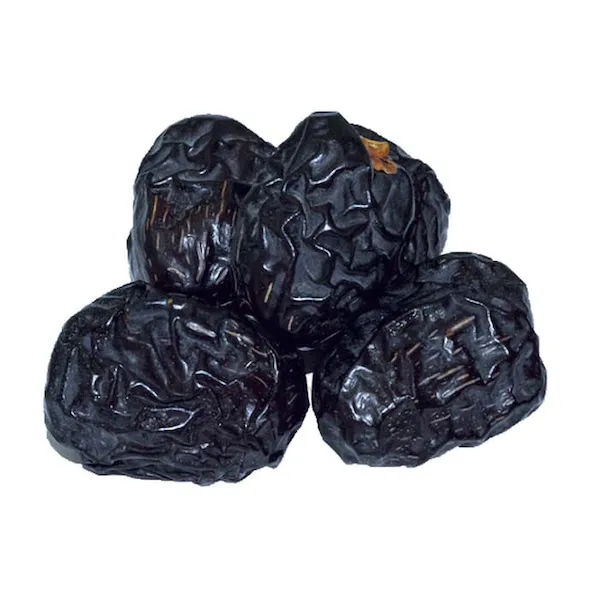
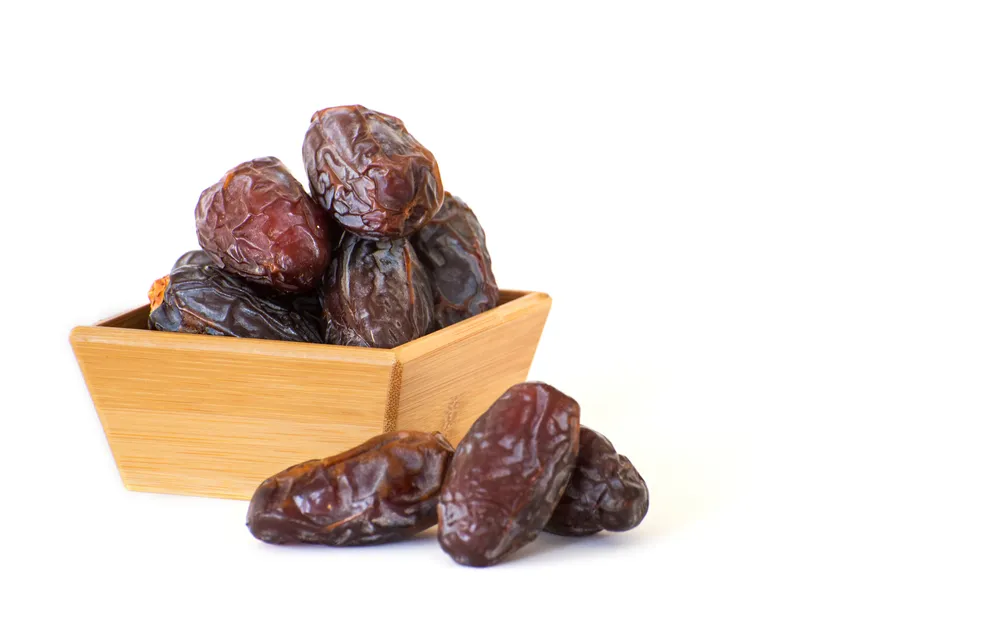
Consumers today are increasingly aware of where their food comes from. They want assurance that the kurma medjool they enjoy or the kurma Ajwa they savor is cultivated with care for both people and the planet. Wholesalers who embrace sustainability not only meet this demand but also future-proof their businesses against regulatory and environmental challenges.
The Role of Wholesalers in Shaping the Future
Wholesalers are the bridge between producers and consumers. Their purchasing decisions influence farming practices, packaging standards, and transportation methods. By prioritizing sustainability, wholesalers can encourage growers to adopt eco-friendly techniques, reduce waste in logistics, and promote fair labor conditions.
Borong kurma is not just about bulk transactions; it is about creating value that extends beyond profit margins. Wholesalers who lead with responsibility set themselves apart in a competitive market, gaining trust and loyalty from both suppliers and buyers.
Sustainable Farming Practices for Dates
Sustainability begins at the farm. Wholesalers must ensure that the dates they source come from growers who respect the environment and local communities.
Water Management in Date Cultivation
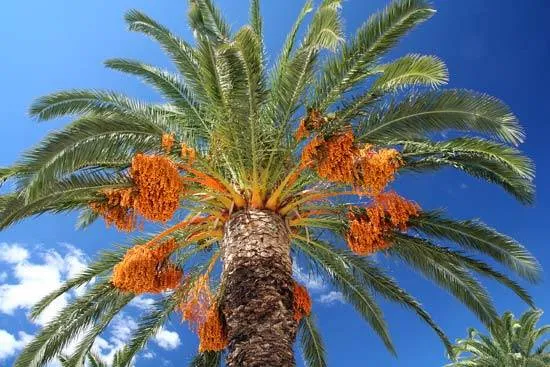
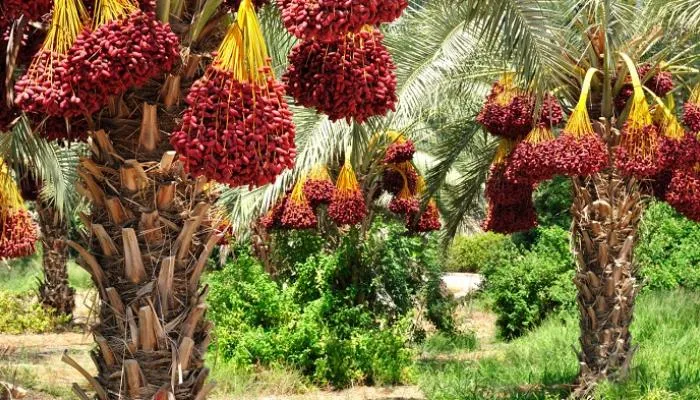
Date palms thrive in arid regions, but water scarcity is a pressing issue. Sustainable farming involves efficient irrigation systems such as drip irrigation, which minimizes water waste. Wholesalers can support farmers by investing in training and technology that reduce water consumption while maintaining crop yields.
Soil Health and Organic Practices
Healthy soil is the backbone of sustainable agriculture. Encouraging organic farming methods, crop rotation, and natural fertilizers helps preserve soil fertility. Wholesalers who prioritize suppliers using these practices contribute to long-term productivity and reduce reliance on harmful chemicals.
Ethical Sourcing and Fair Trade
Beyond environmental concerns, sustainability also encompasses social responsibility. Wholesalers must ensure that their supply chains respect human rights and provide fair compensation to workers.
Supporting Local Communities
Borong kurma should empower communities where dates are grown. Wholesalers can collaborate with cooperatives, ensuring that profits are reinvested into schools, healthcare, and infrastructure. This not only strengthens local economies but also builds stronger relationships with suppliers.
Transparency in Supply Chains
Consumers value transparency. Wholesalers can implement traceability systems that allow buyers to know exactly where their kurma medjool or kurma Ajwa originated. Blockchain technology, for example, can provide secure and transparent records of transactions, reinforcing trust in the supply chain.
Eco-Friendly Packaging and Logistics
Sustainability does not end at the farm. Packaging and transportation are critical stages where wholesalers can reduce environmental impact.
Reducing Plastic Waste
Traditional packaging often relies heavily on plastic. Wholesalers can transition to biodegradable materials, recycled paper, or reusable containers. This not only reduces waste but also appeals to eco-conscious consumers.
Green Transportation Solutions
Logistics contribute significantly to carbon emissions. Wholesalers can adopt strategies such as optimizing delivery routes, using fuel-efficient vehicles, or partnering with logistics companies that prioritize sustainability. These measures lower the carbon footprint of Borong kurma distribution.
Technology and Innovation in Supply Chains
Modern technology offers powerful tools to enhance sustainability in date supply chains.
Digital Monitoring Systems
Smart sensors and IoT devices can monitor crop health, water usage, and soil conditions in real time. Wholesalers who invest in these technologies help farmers make data-driven decisions that improve efficiency and reduce environmental impact.
Artificial Intelligence in Forecasting
AI can predict demand trends, helping wholesalers avoid overstocking or understocking. This reduces waste and ensures that consumers receive fresh, high-quality dates. By integrating AI into Borong kurma operations, wholesalers can balance supply with sustainability.
Building Long-Term Partnerships
Sustainability thrives on collaboration. Wholesalers must cultivate strong, long-term relationships with farmers, distributors, and retailers.
Shared Goals and Commitments
Partnerships built on shared sustainability goals foster trust and resilience. Wholesalers can establish contracts that reward eco-friendly practices, ensuring that suppliers remain committed to sustainable farming and ethical labor standards.
Education and Capacity Building
Training programs for farmers and workers can enhance knowledge of sustainable techniques. Wholesalers who invest in education empower their partners to adopt practices that benefit both the environment and the business.
Consumer Awareness and Marketing
Sustainability is also about communication. Wholesalers must educate consumers about the value of sustainable Borong kurma.
Storytelling in Branding
Sharing stories about farmers, communities, and eco-friendly practices creates emotional connections with consumers. Highlighting the journey of kurma medjool or kurma Ajwa from farm to table can inspire loyalty and appreciation.
Certifications and Labels
Eco-certifications such as Fair Trade or Organic labels provide credibility. Wholesalers who obtain these certifications demonstrate their commitment to sustainability, making their products more attractive to conscious buyers.
Challenges in Achieving Sustainability
While the vision is clear, the path to sustainability is not without obstacles.
Financial Constraints
Implementing sustainable practices often requires upfront investment. Wholesalers must balance costs with long-term benefits, seeking partnerships or subsidies to ease the financial burden.
Global Market Pressures
The demand for low-cost dates can push suppliers toward unsustainable practices. Wholesalers must resist this pressure by educating consumers about the true value of sustainable Borong kurma and advocating for fair pricing.
Future Outlook for Sustainable Date Supply Chains
The future of Borong kurma lies in innovation, collaboration, and responsibility. As climate change intensifies and consumer expectations evolve, wholesalers must adapt quickly. Those who embrace sustainability will not only survive but thrive in the global marketplace.
Embracing Circular Economy Models
Circular economy principles—such as recycling, reusing, and reducing waste—can transform supply chains. Wholesalers who integrate these models into their operations will lead the way in redefining the date industry.
Global Collaboration for Sustainability
International partnerships can amplify impact. By collaborating across borders, wholesalers can share knowledge, resources, and technologies that strengthen sustainability worldwide.
Conclusion
Borong kurma is more than a business transaction; it is a commitment to people and the planet. Wholesalers who prioritize sustainability in farming, sourcing, packaging, logistics, and consumer engagement are shaping a brighter future for the date industry. By embracing innovation, fostering partnerships, and maintaining transparency, they ensure that varieties like kurma medjool and kurma Ajwa continue to delight consumers without compromising the environment.
Sustainable supply chains are not just a trend—they are the foundation of resilience, trust, and long-term success in the world of dates.